
What Is the Kitty Cut, and Is It Right for You?
The Kitty Cut is the soft, feather-layered 'it' haircut of 2024-2025. Here's what it is, how it differs from the wolf cut, and who it suits best.
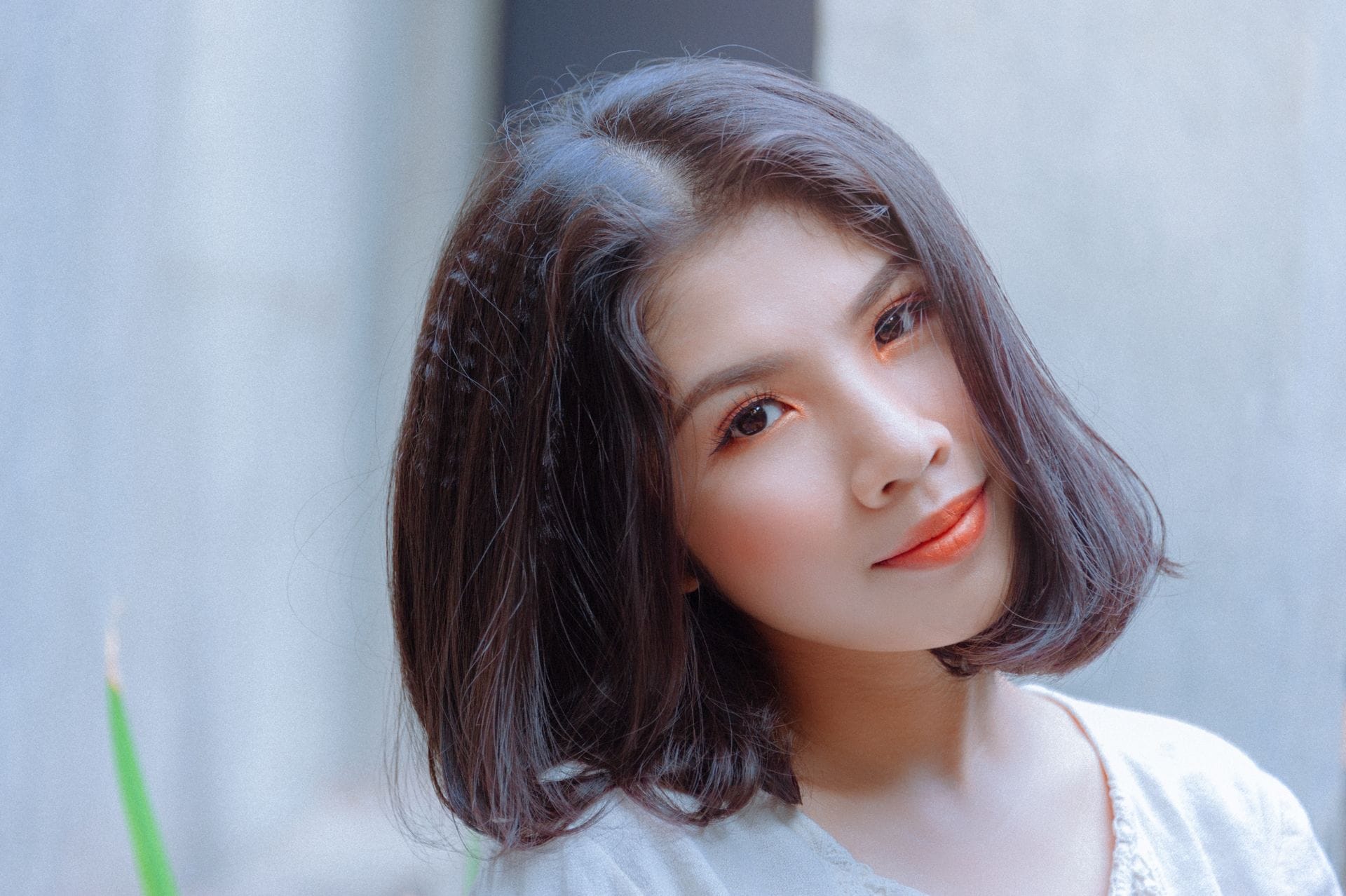
What is the Kitty Cut?
The Kitty Cut is one of the standout hair trends of 2024-2025 - a blend of the long bob and the sliced layering of the wolf cut, but with a softer, sweeter, more polished feel. It's usually cut to shoulder or collarbone length, with flowing, gentle layers that never look too heavy or choppy.
Key features
The layers are soft and subtle - nothing as short or aggressive as a wolf cut. Instead, the ends are sliced to give a light, kitten-like volume. It's typically paired with side-swept sliced bangs that begin around the cheekbones and fall to the jawline, beautifully framing and flattering the face. The shoulder-grazing length hits a sweet spot: long enough to tie back, yet easy to maintain.
How is the Kitty Cut different from the wolf cut?
The Kitty Cut is soft, sweet, and lightly face-framing - closer to a butterfly cut. The wolf cut, on the other hand, is bold and edgy, with dramatic, deliberately tousled layers. It's defined by heavy, textured layers reminiscent of a wolf's mane (a cross between a mullet and a shag), delivering a chic, street-style, lightly rock 'n' roll look.
Who does it suit?
The Kitty Cut flatters just about every face shape, but it truly shines on:
• Fine or thin hair - the stacked layers make hair look fuller and add body.
• Round and oval faces (and it softens the angles of square faces too) - the side-swept bangs and rounded layers frame the face, disguising the cheeks and jaw and making it appear slimmer and longer. It's often paired with see-through bangs or a moderately full curtain fringe that adds volume and is easy to style.
• Anyone who wants a fresh look but isn't ready to go short - since it keeps most of your length, it never feels like too drastic a change.
(The wolf cut, by contrast, is better suited to oval, square, and long faces, because its scattered upper layers and flicked-out ends draw attention away from the jaw and add width to the face.)